The animation workload was massive, covering everything from humans and villagers to dragons, rats, and humanoid bees. Managing a mix of bipedal and quadrupedal characters meant my hands were full. While the villagers were the simplest to animate with their basic gestures and emotes, Sherman was a different story. He required over 100 unique animations for locomotion, combat, item usage, and cutscenes, making him the most labor-intensive character by far.
When designing attack sets, I focused heavily on clear weapon arcs. It is vital to show exactly where a strike will land so players never feel cheated out of a hit. This same logic applies to the enemies. Since telegraphing is essential in combat games, tracking enemy arcs provides the player with the visual information they need to react and avoid damage effectively.
Big thanks to the extremely talented character and technical artists behind the scenes who allowed me to animate these characters, and even bared with me on a few additions for animation-ease!
A Bundle of Animations
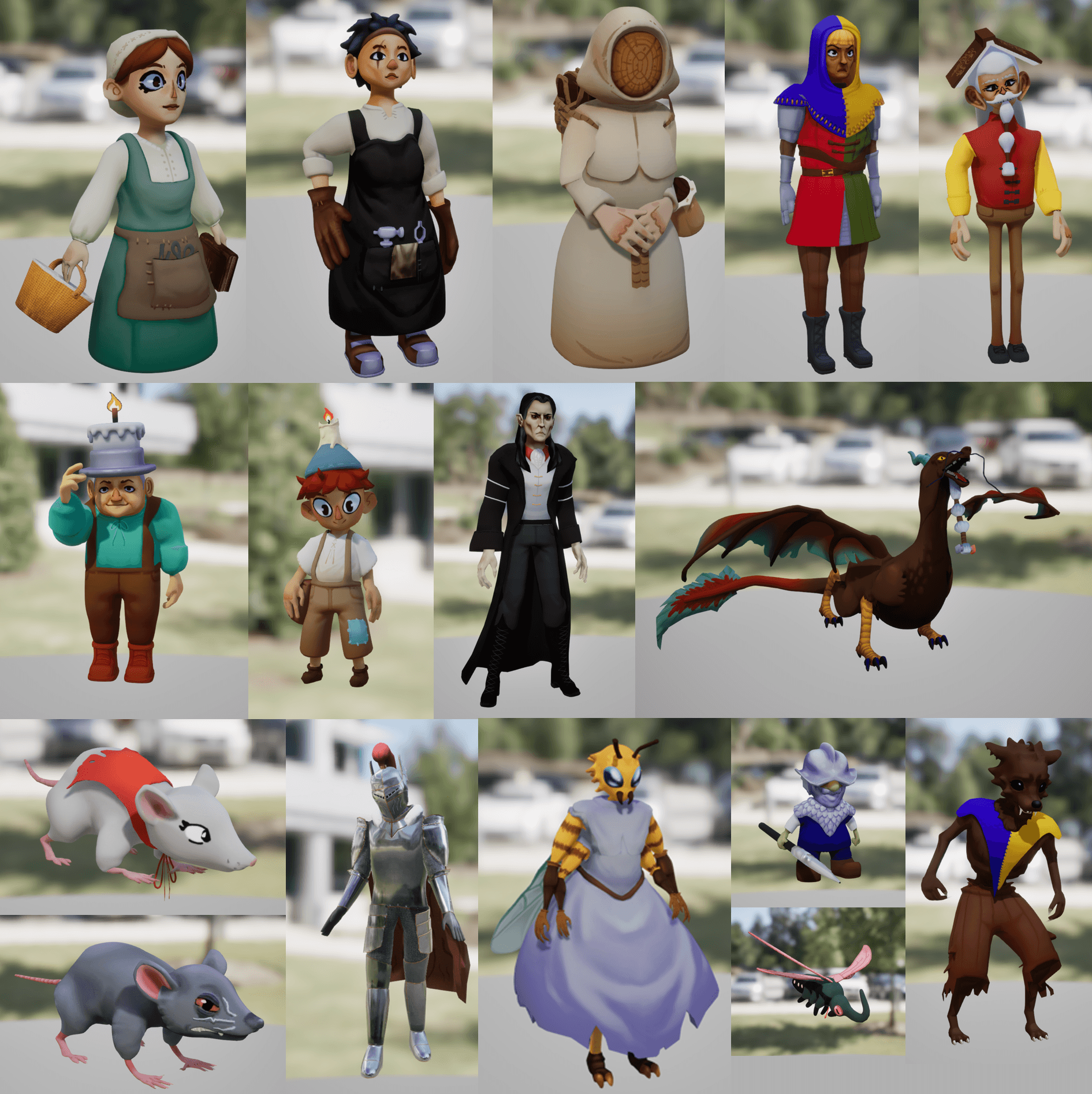
The Family Of Characters
Sherman’s Quest aims for a balance between accessible combat and a layer of added challenge. Enemies and bosses clearly telegraph their moves, giving players the chance to read and react. Depending on the threat, Sherman can jump over ground sweeps, block projectiles and direct strikes, or dodge to create distance.
To ensure clarity, enemy animations feature distinct wind-up phases so players can decide whether to dodge, jump, or block. To keep development flexible, these animations were split into modular segments; rather than one baked file, each attack is broken down so timings can be fine-tuned as needed.
Fairness In Combat
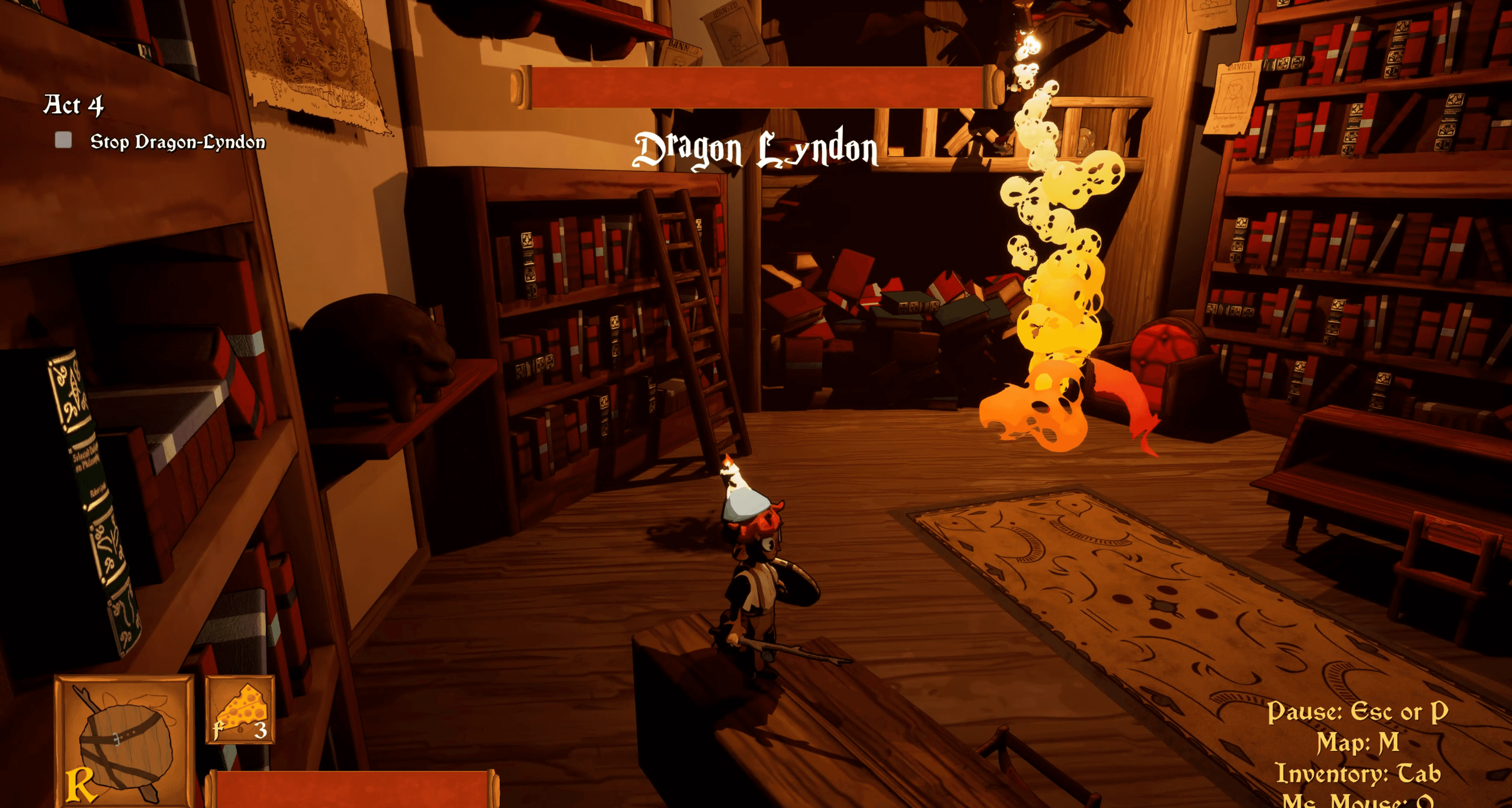
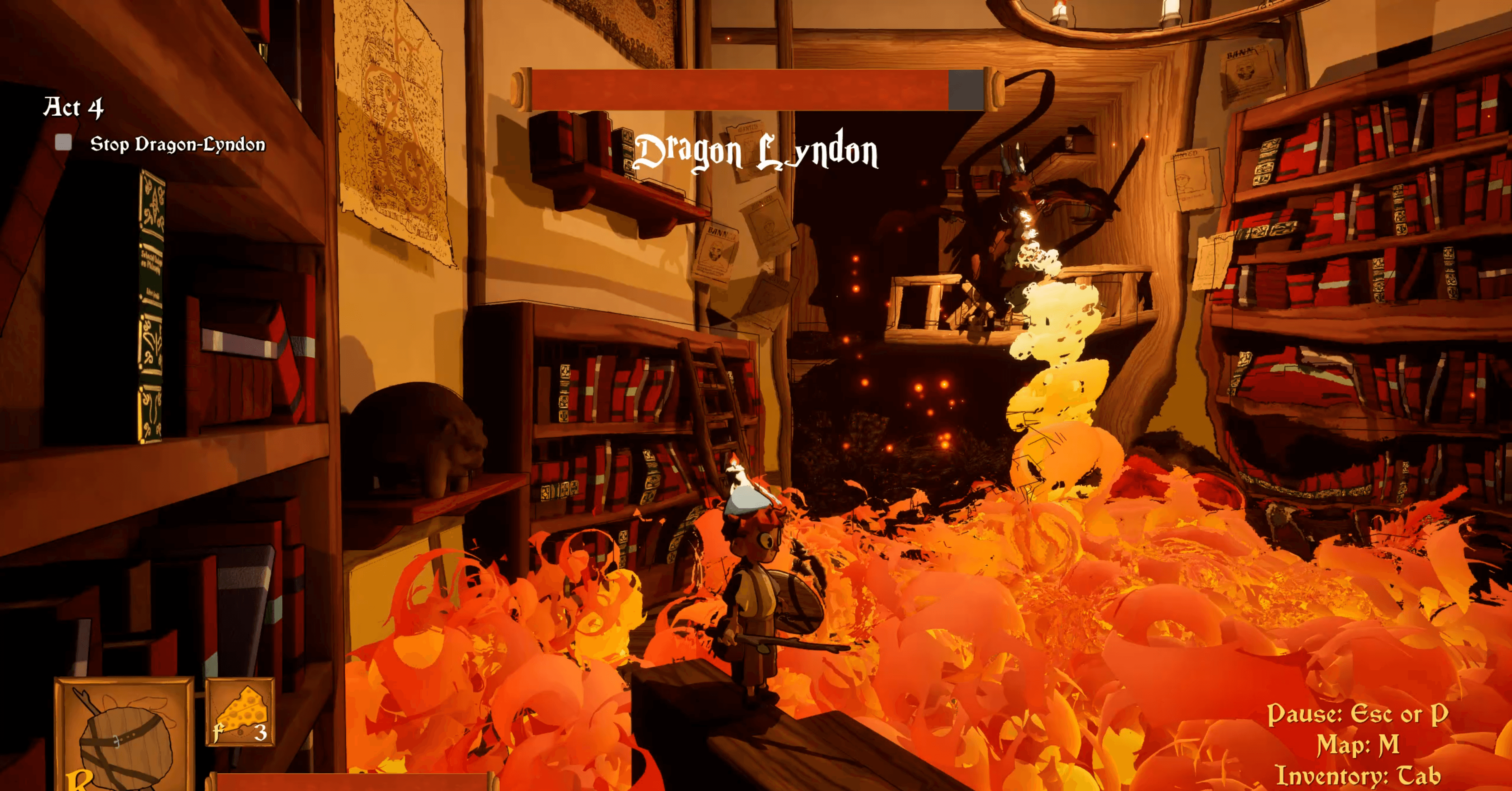
Sherman is not immune to danger, in fact, danger will often charge right to him. Telegraphing attacks and action was important to get right. Enemies would have an 'idle' or 'recovery' behavior fore transitioning into a 'windup' stage. This stage is where we tell the player what is about to happen: a charge, a swing, and everything in between! Naturally, the attack would follow up right after.
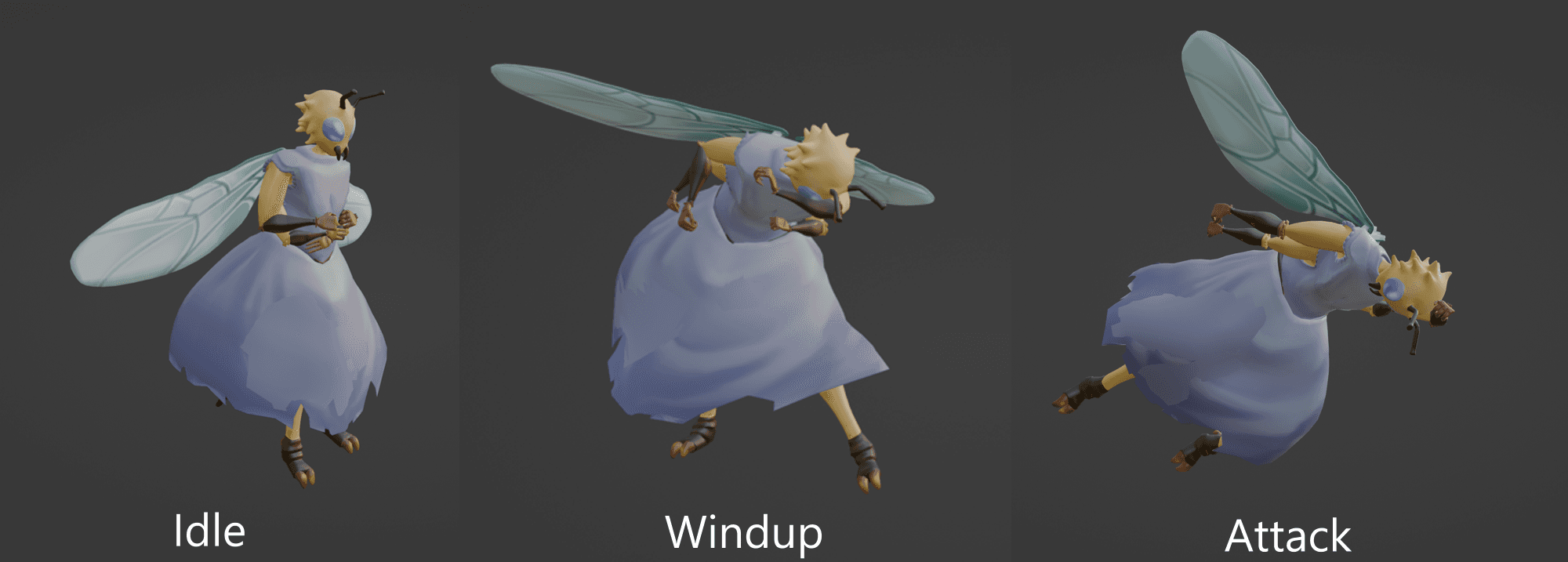
Telegraphing Actions
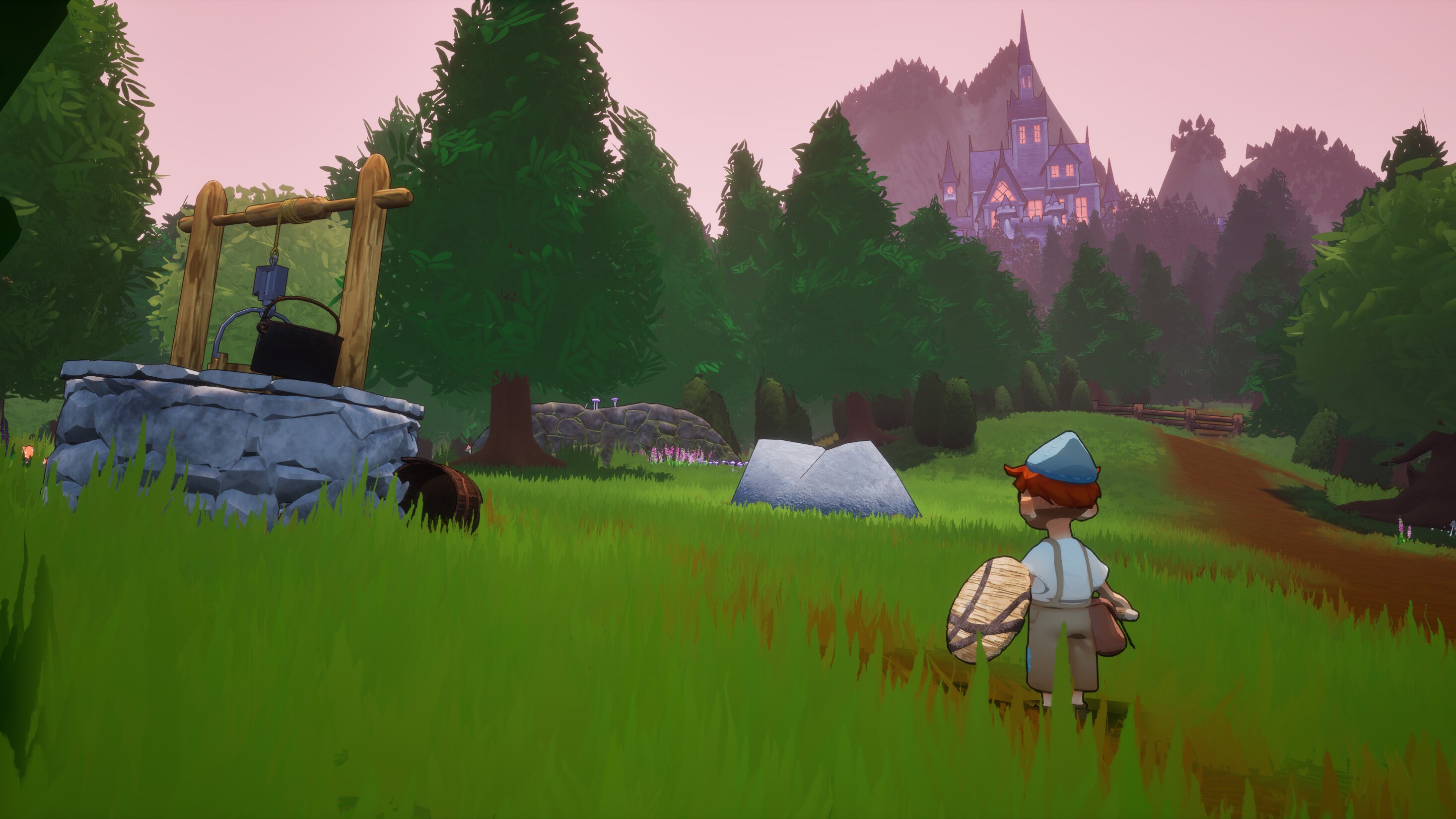
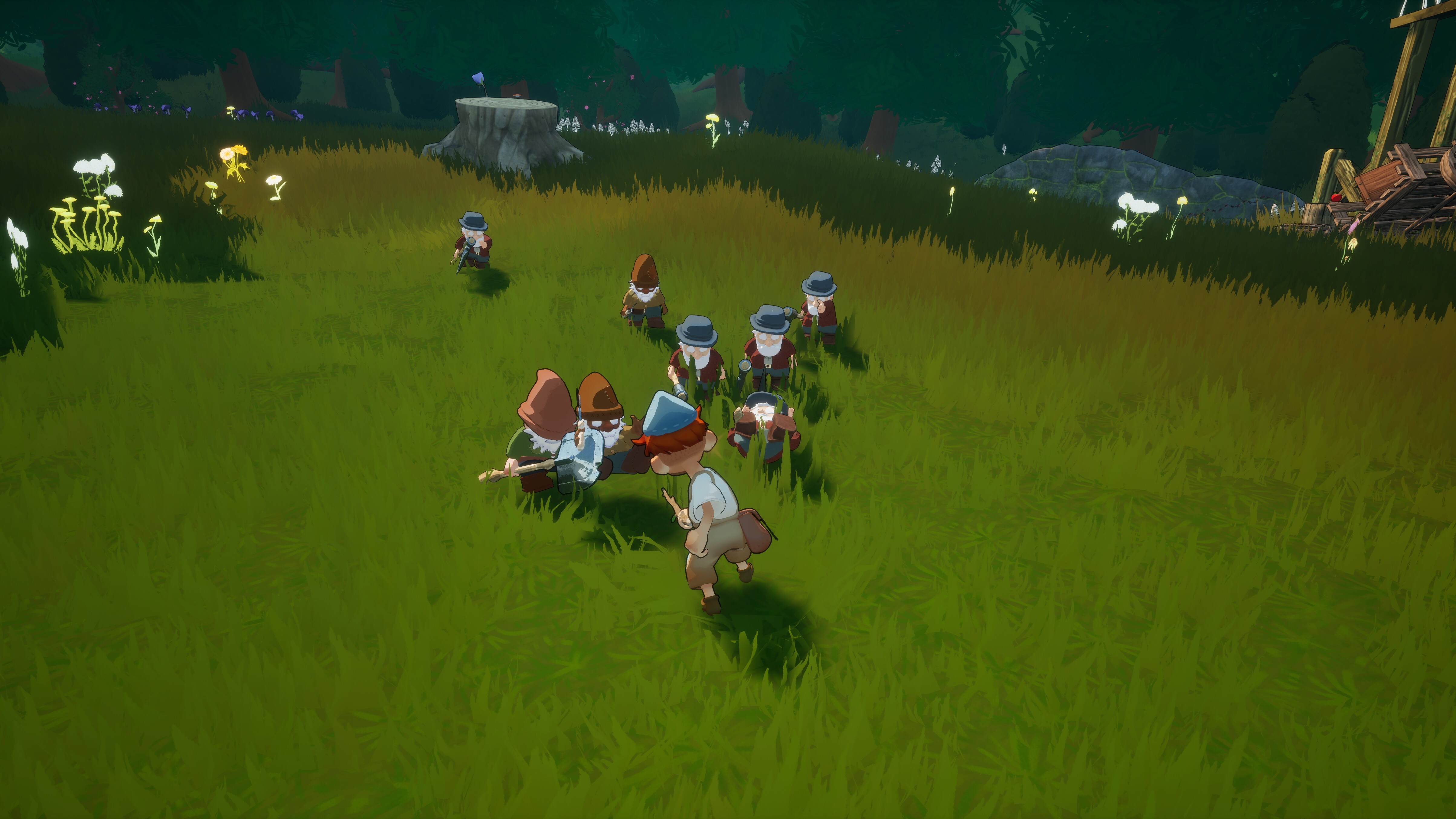
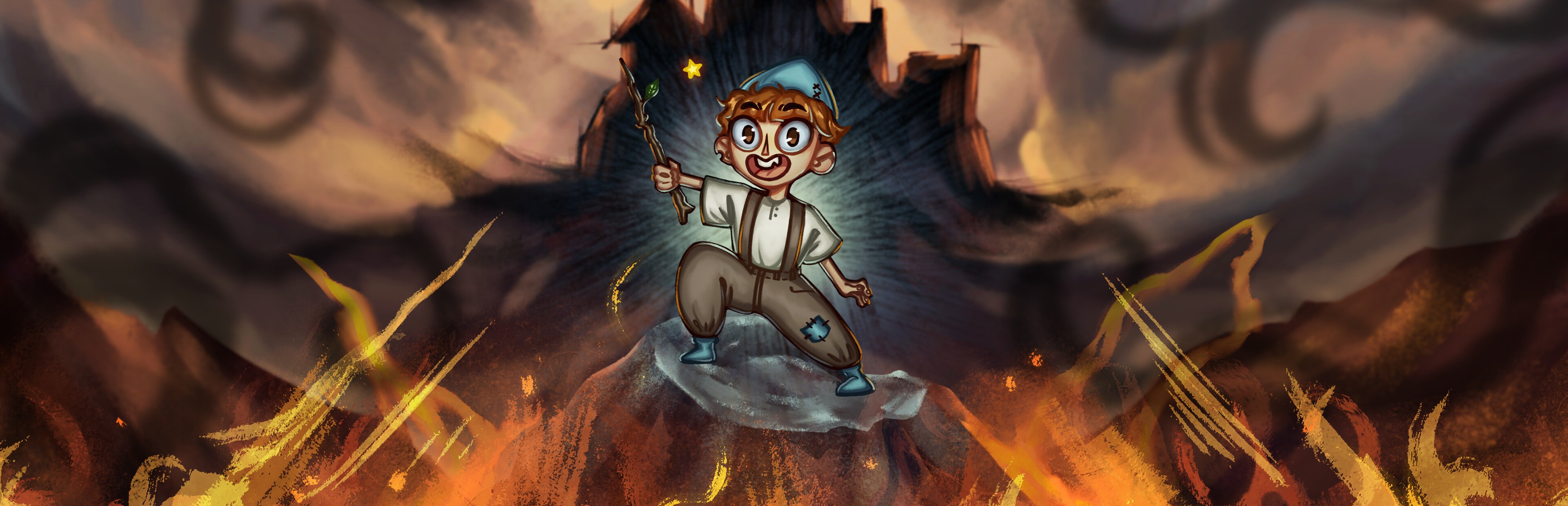
Early concepting of Sherman's Quest began with the premise of a young boy in a village with his older sister living among other villagers. An 'evil' would be cast on the village, turning the inhabitants into monster, leading to Sherman, the main character, to embark on a quest to fight against said evil.
This idea eventually evolved into a magic spell that manifested the characters' insecurities and flaws as the physical monsters seen in the game. The background of Sherman and his sister was also tweaked to fit the narrative, set as outcasts from the village due to the fears of witchery and magic their family would practice.
How was Sherman's Quest Created?
A Child's Fairy Tale Adventure

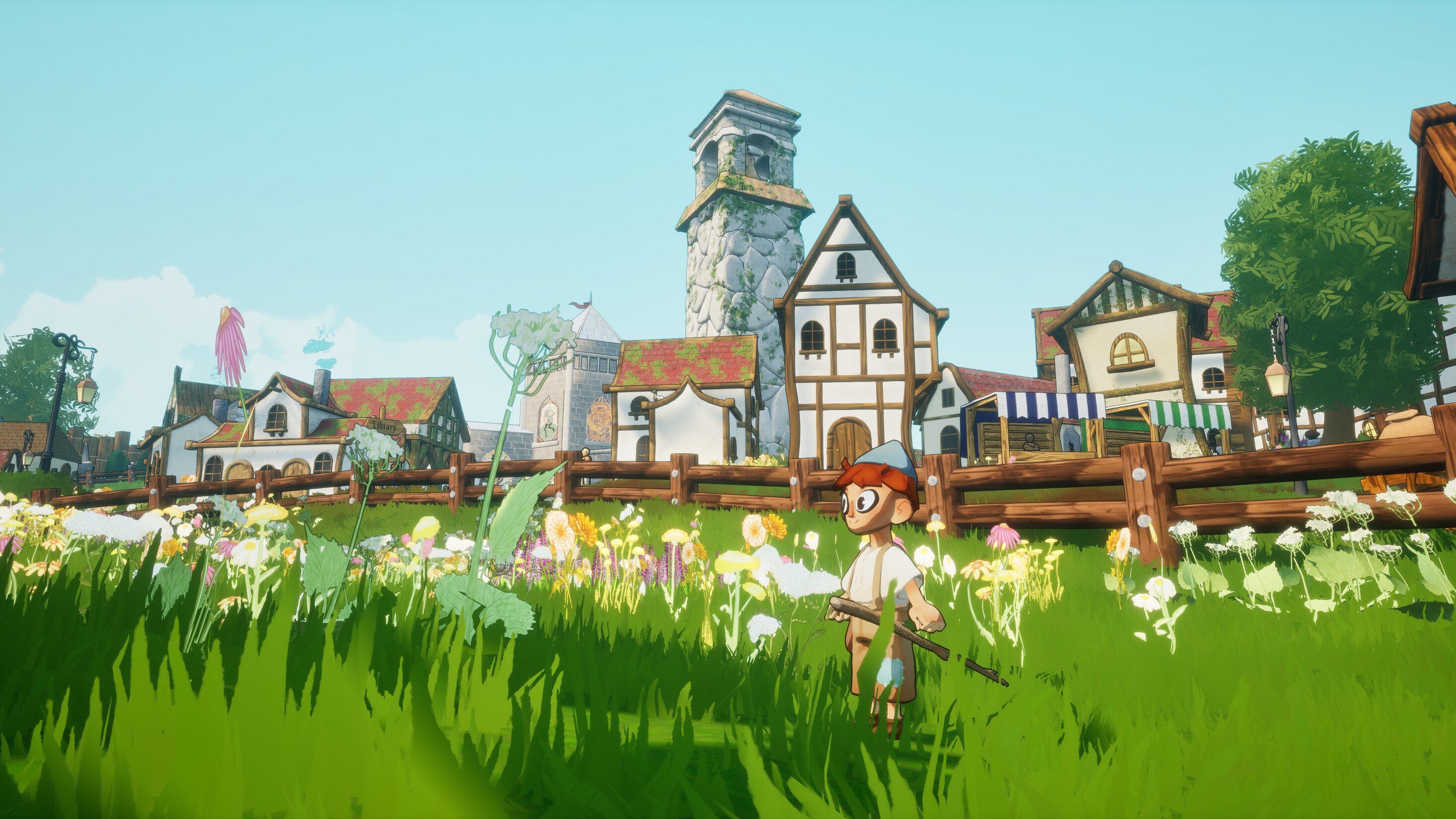
Made in Unreal Engine 5
Cell-Shaded Lighting
Stylized Graphics
3rd-Person Perspective
Fantasy, Action-Adventure
Project Overview
3D Animator:
Keyframe animation across several characters including bipeds and quadrupeds. Focus on properly-telegraphed animations for combat purposes, better informing the player of enemy actions.
Technical Artist:
Created workflows for artists for foliage generation and tile assets, tools used for painting landscapes and foliage quickly for environment artists, shader graphs to handle various environment effects, and a several optimizations for in-game performance
Contribution
The animation workload was massive, covering everything from humans and villagers to dragons, rats, and humanoid bees. Managing a mix of bipedal and quadrupedal characters meant my hands were full. While the villagers were the simplest to animate with their basic gestures and emotes, Sherman was a different story. He required over 100 unique animations for locomotion, combat, item usage, and cutscenes, making him the most labor-intensive character by far.
When designing attack sets, I focused heavily on clear weapon arcs. It is vital to show exactly where a strike will land so players never feel cheated out of a hit. This same logic applies to the enemies. Since telegraphing is essential in combat games, tracking enemy arcs provides the player with the visual information they need to react and avoid damage effectively.
Big thanks to the extremely talented character and technical artists behind the scenes who allowed me to animate these characters, and even bared with me on a few additions for animation-ease!
A Bundle of Animations
The Family Of Characters
Sherman’s Quest aims for a balance between accessible combat and a layer of added challenge. Enemies and bosses clearly telegraph their moves, giving players the chance to read and react. Depending on the threat, Sherman can jump over ground sweeps, block projectiles and direct strikes, or dodge to create distance.
To ensure clarity, enemy animations feature distinct wind-up phases so players can decide whether to dodge, jump, or block. To keep development flexible, these animations were split into modular segments; rather than one baked file, each attack is broken down so timings can be fine-tuned as needed.
Fairness In Combat
Sherman is not immune to danger, in fact, danger will often charge right to him. Telegraphing attacks and action was important to get right. Enemies would have an 'idle' or 'recovery' behavior fore transitioning into a 'windup' stage. This stage is where we tell the player what is about to happen: a charge, a swing, and everything in between! Naturally, the attack would follow up right after.
Telegraphing Actions
Early concepting of Sherman's Quest began with the premise of a young boy in a village with his older sister living among other villagers. An 'evil' would be cast on the village, turning the inhabitants into monster, leading to Sherman, the main character, to embark on a quest to fight against said evil.
This idea eventually evolved into a magic spell that manifested the characters' insecurities and flaws as the physical monsters seen in the game. The background of Sherman and his sister was also tweaked to fit the narrative, set as outcasts from the village due to the fears of witchery and magic their family would practice.
How was Sherman's Quest Created?
A Child's Fairy Tale Adventure
Made in Unreal Engine 5
Cell-Shaded Lighting
Stylized Graphics
3rd-Person Perspective
Fantasy, Action-Adventure
Project Overview
3D Animator:
Keyframe animation across several characters including bipeds and quadrupeds. Focus on properly-telegraphed animations for combat purposes, better informing the player of enemy actions.
Technical Artist:
Created workflows for artists for foliage generation and tile assets, tools used for painting landscapes and foliage quickly for environment artists, shader graphs to handle various environment effects, and a several optimizations for in-game performance
Contribution
The animation workload was massive, covering everything from humans and villagers to dragons, rats, and humanoid bees. Managing a mix of bipedal and quadrupedal characters meant my hands were full. While the villagers were the simplest to animate with their basic gestures and emotes, Sherman was a different story. He required over 100 unique animations for locomotion, combat, item usage, and cutscenes, making him the most labor-intensive character by far.
When designing attack sets, I focused heavily on clear weapon arcs. It is vital to show exactly where a strike will land so players never feel cheated out of a hit. This same logic applies to the enemies. Since telegraphing is essential in combat games, tracking enemy arcs provides the player with the visual information they need to react and avoid damage effectively.
Big thanks to the extremely talented character and technical artists behind the scenes who allowed me to animate these characters, and even bared with me on a few additions for animation-ease!
A Bundle of Animations
The Family Of Characters
Sherman’s Quest aims for a balance between accessible combat and a layer of added challenge. Enemies and bosses clearly telegraph their moves, giving players the chance to read and react. Depending on the threat, Sherman can jump over ground sweeps, block projectiles and direct strikes, or dodge to create distance.
To ensure clarity, enemy animations feature distinct wind-up phases so players can decide whether to dodge, jump, or block. To keep development flexible, these animations were split into modular segments; rather than one baked file, each attack is broken down so timings can be fine-tuned as needed.
Fairness In Combat
Sherman is not immune to danger, in fact, danger will often charge right to him. Telegraphing attacks and action was important to get right. Enemies would have an 'idle' or 'recovery' behavior fore transitioning into a 'windup' stage. This stage is where we tell the player what is about to happen: a charge, a swing, and everything in between! Naturally, the attack would follow up right after.
Telegraphing Actions
Early concepting of Sherman's Quest began with the premise of a young boy in a village with his older sister living among other villagers. An 'evil' would be cast on the village, turning the inhabitants into monster, leading to Sherman, the main character, to embark on a quest to fight against said evil.
This idea eventually evolved into a magic spell that manifested the characters' insecurities and flaws as the physical monsters seen in the game. The background of Sherman and his sister was also tweaked to fit the narrative, set as outcasts from the village due to the fears of witchery and magic their family would practice.
How was Sherman's Quest Created?
A Child's Fairy Tale Adventure
Made in Unreal Engine 5
Cell-Shaded Lighting
Stylized Graphics
3rd-Person Perspective
Fantasy, Action-Adventure
Project Overview
3D Animator:
Keyframe animation across several characters including bipeds and quadrupeds. Focus on properly-telegraphed animations for combat purposes, better informing the player of enemy actions.
Technical Artist:
Created workflows for artists for foliage generation and tile assets, tools used for painting landscapes and foliage quickly for environment artists, shader graphs to handle various environment effects, and a several optimizations for in-game performance
Contribution